
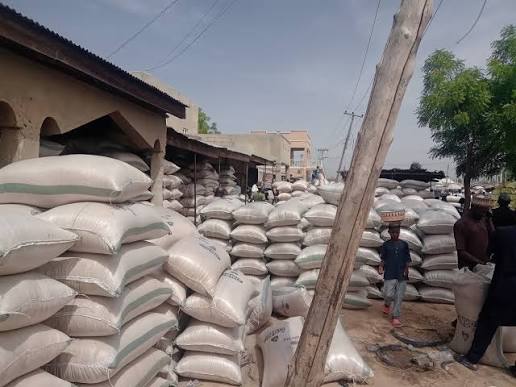
Nigeria is one of Africa's leading agricultural producers, supplying commodities such as sesame seeds, hibiscus flowers, ginger, cashew nuts, gum arabic, soybeans, shea products, and many other raw materials to international markets.
Global demand for these commodities continues to grow as manufacturers, food processors, pharmaceutical companies, and industrial buyers seek reliable sources of high-quality agricultural products.
However, one misconception many exporters have is that buyers are simply looking for the lowest price.
In reality, experienced international buyers evaluate much more than cost. Their purchasing decisions are influenced by consistency, reliability, compliance, communication, and the supplier's ability to become a dependable long-term business partner.
Understanding these expectations is essential for any business seeking sustainable success in international trade.
1. Consistent Product Quality
Quality is often the first factor buyers evaluate.
Before discussing pricing or shipment schedules, buyers want confidence that the product consistently meets the agreed specifications.
For agricultural commodities, this may include:
- Moisture content
- Purity level
- Foreign matter percentage
- Size or grading
- Colour consistency
- Proper drying
- Cleanliness
- Packaging quality
A shipment that meets specifications once but fails during the next order creates uncertainty and damages trust.
International buyers prefer suppliers who can maintain the same quality standards across every shipment. Consistency builds confidence, and confidence builds long-term business relationships.
2. Reliable Supply Capacity
Many buyers are not looking for a single successful shipment. They are looking for partners capable of supplying products consistently over months or even years.
Before entering into long-term agreements, buyers often ask questions such as:
- Can the supplier meet our required quantity?
- Can production increase if demand grows?
- Is the supply available throughout the year?
- What happens during seasonal shortages?
Businesses that understand their production capacity and communicate honestly about availability earn greater confidence from international buyers than those who make unrealistic promises.
3. Proper Documentation and Regulatory Compliance
International trade depends on documentation.
Even when products meet quality standards, incomplete or inaccurate documentation can delay customs clearance, increase costs, or even prevent goods from entering the destination country.
Depending on the commodity and destination market, buyers may require documents such as:
- Commercial Invoice
- Packing List
- Certificate of Origin
- Phytosanitary Certificate
- Fumigation Certificate
- Bill of Lading
- Certificate of Analysis (COA)
- Inspection Certificates
Professional documentation demonstrates that a supplier understands international trade requirements and is prepared to support a smooth transaction.
4. Transparency Throughout the Transaction
Trust is built through transparency.
International buyers appreciate suppliers who communicate openly about production timelines, inventory availability, pricing changes, and shipping schedules.
Unexpected challenges can occur in any supply chain. What matters most is how those challenges are communicated.
Regular updates, accurate information, and prompt responses create confidence throughout the transaction. Professional communication often distinguishes reliable suppliers from unreliable ones.
5. Efficient Logistics Coordination
Exporting agricultural commodities involves far more than loading products into a container.
Buyers expect suppliers to understand the movement of goods from origin to destination.
Efficient logistics planning includes:
- Proper packaging
- Container loading
- Inland transportation
- Port handling
- Freight coordination
- Shipping documentation
- Delivery schedules
Strong logistics coordination reduces delays, protects product quality, and helps ensure products arrive in the expected condition.
6. Supplier Verification and Business Credibility
Before making international payments, experienced buyers usually verify the businesses they intend to work with.
This process may include confirming:
- Business registration
- Export capability
- Production capacity
- Operational history
- Company reputation
- Previous export experience
Supplier verification reduces risk for buyers and creates greater confidence before commercial agreements are signed.
Businesses that willingly provide accurate company information generally build trust more quickly.
7. Competitive Pricing That Reflects Value
Price always matters—but it is rarely the only deciding factor.
Most professional buyers compare offers based on total value rather than the lowest quotation.
They evaluate:
- Product quality
- Reliability
- Payment terms
- Lead times
- Packaging
- Logistics support
- Communication
- Risk level
A slightly higher price is often accepted when the supplier consistently delivers quality products, reliable service, and professional support.
International trade rewards value, not simply low prices.
8. Long-Term Partnership Potential
One successful shipment can generate revenue. A long-term partnership can build a sustainable business.
Many buyers prefer working with suppliers who understand their objectives, adapt to changing requirements, and demonstrate a commitment to continuous improvement.
Businesses that focus on relationships rather than individual transactions often secure repeat orders and stronger commercial partnerships.
Long-term cooperation also reduces procurement costs, improves planning, and creates greater stability for both parties.
Building Confidence Beyond the Product
Agricultural commodities may be the products being traded, but confidence is the foundation upon which international business is built.
Successful exporters understand that buyers invest not only in products but also in the people and systems behind those products.
Professional communication, consistent quality, reliable documentation, transparent processes, and dependable logistics all contribute to building that confidence.
These qualities help transform a supplier into a trusted trade partner.
How ASMAN Prime Hub Supports International Buyers
At ASMAN Prime Hub, we understand that successful international trade requires more than connecting buyers and suppliers.
We work to simplify the sourcing process by helping businesses identify reliable suppliers, coordinate procurement, verify supply capabilities, and support international trade transactions with professionalism and transparency.
Our objective is to help businesses reduce sourcing risks, improve supply chain reliability, and build long-term commercial relationships that create value for everyone involved.
Whether you are sourcing Nigerian agricultural commodities or exploring new international trade opportunities, taking the time to understand what buyers truly value is one of the strongest investments you can make in your business.
Looking for a trusted sourcing and trade partner?
ASMAN Prime Hub provides professional sourcing, supplier verification, procurement coordination, and international trade support to help businesses navigate global markets with confidence.